


About Us
For over a decade, we've connected homeowners with reliable, contractors across the country. No markups, just vetted pros.
Free ConsultationContact Info
- (877) 608-5589
- 7 days a week, 8am-7pm (all time zones)
Bathroom Renovation Contractors – Tub to Shower, ADA Upgrades & Full Remodels
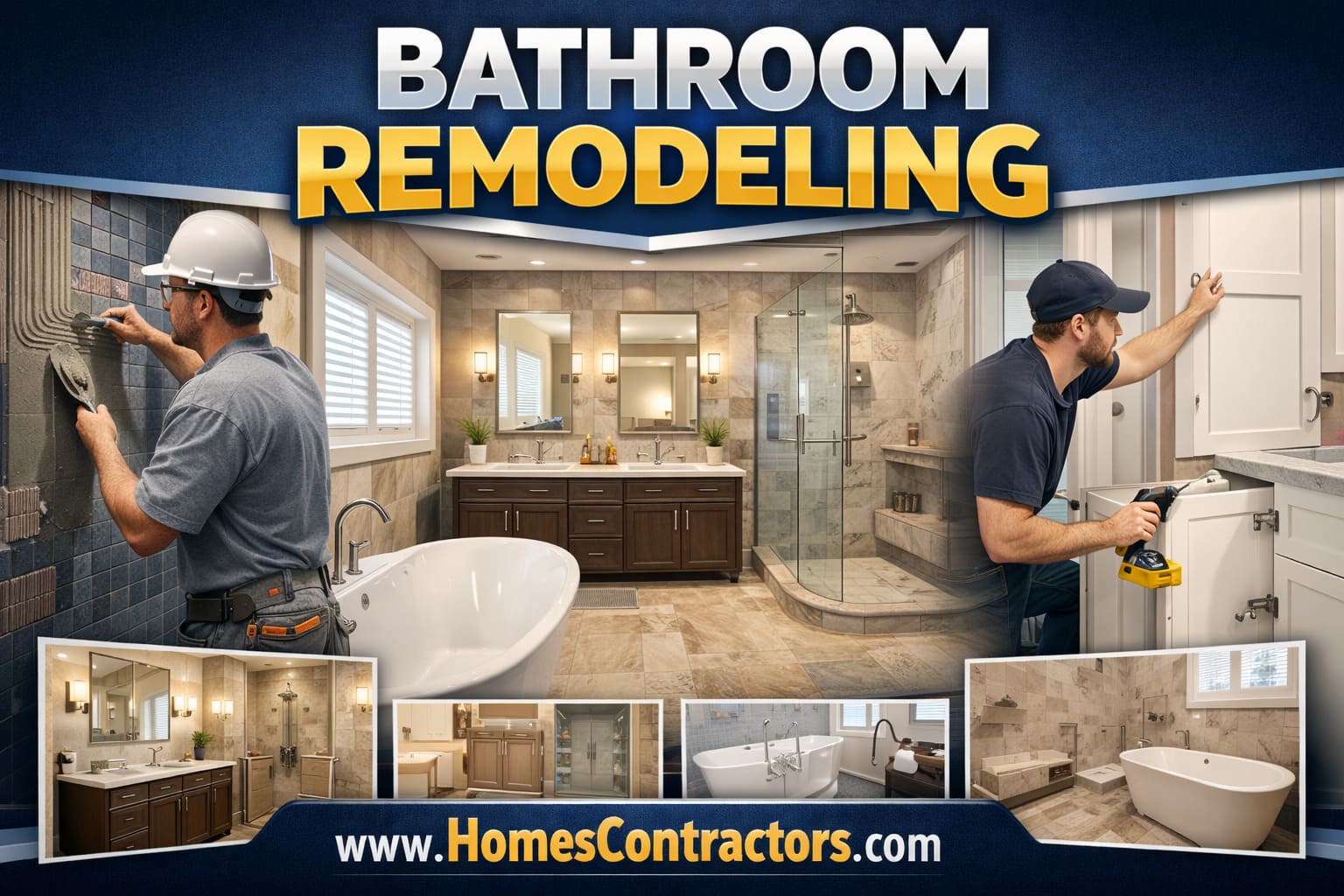
Is your bathroom stuck in 1985 with pink tile and a leaky faucet? Or maybe you're worried about a family member slipping getting in and out of the tub? After 10+ years connecting homeowners with bathroom renovation contractors, We've seen it all. From simple tub to shower conversions to full master suite transformations. The key is finding a contractor who understands waterproofing, proper slope for drainage, and how to make a small space feel huge. That's where we come in.
Types of Bathroom Renovations: From Quick Updates to Full Gut Jobs
Bathroom renovations run the gamut. You might just want to update the vanity and lighting a "refresh" that takes a week. Or you might be looking at a full gut job where we tear everything down to the studs, move plumbing, and create your dream spa. Our contractors handle it all. They'll work with you to understand your goals: are you prepping to sell? Planning to age in place? Just tired of looking at that ugly tile? Each goal leads to a different approach. A contractor with 10+ years of experience will ask the right questions before they ever pick up a hammer.
Tub to Shower Conversions: Why So Many Homeowners Are Making the Switch
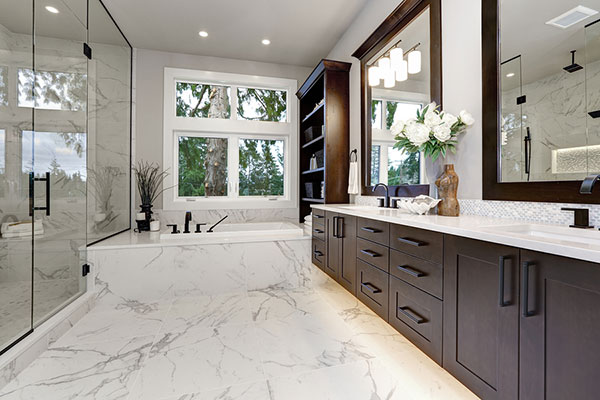
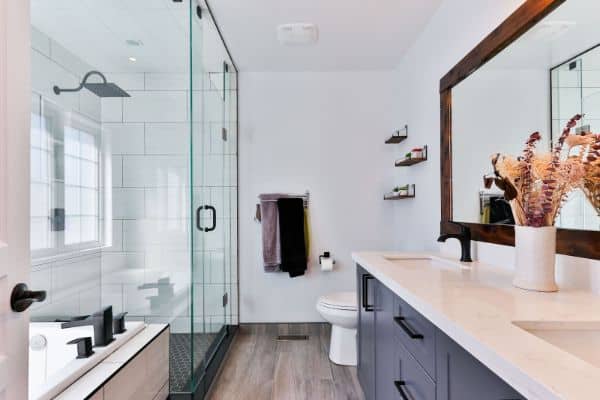
We can't tell you how many homeowners We've talked to who rarely use their tub but keep it "just in case." Then they struggle to climb over the edge to clean it. Tub to shower conversions are one of the most popular projects we see. You gain back floor space, eliminate a tripping hazard, and create a much more usable space. But here's the thing not all conversions are equal. Some contractors will try to sell you a one-piece acrylic insert. Those can work, but custom tile showers with linear drains and frameless glass are where it's at. They last longer, look better, and add real value to your home. Our contractors will walk you through the pros and cons of each approach, including the maintenance differences.
ADA Accessibility & Aging in Place: Renovating for the Long Haul
This one hits close to home. We've helped countless families modify bathrooms so Mom or Dad can stay in their home safely. Walk-in tubs with low thresholds, roll-in showers with no curb, grab bars mounted into blocking (not just drywall anchors), and comfort height toilets. These aren't just for seniors anyone with mobility issues, or even families with young kids, can benefit. The key is planning. A good contractor will install blocking during construction even if you don't need grab bars today, so they're there when you do. They'll also make sure floor tiles have enough grip when wet, and that shower benches are properly supported. These details matter. And they need to meet local building codes, which vary from state to state.
Tile Selection and Installation: The Make or Break of Your Bathroom
We've seen beautiful, expensive tile jobs fail because the installer didn't waterproof properly or didn't slope the floor correctly. Water always finds the lowest point, and if that point isn't your drain, you've got problems. Our contractors use cement backer board or waterproof membranes like Schluter-Kerdi. They know that large format tiles need perfectly flat subfloors, and that mosaic sheets need careful layout to avoid weird cuts at the edges. They'll also talk you through grout selection epoxy grout costs more but never needs sealing and resists stains. And they'll warn you about natural stone it's gorgeous but needs sealing and can etch from acidic cleaners. Real talk: maintenance matters.
Ventilation and Moisture Control: The Unsung Heroes of Bathroom Renovation
Here's something most homeowners don't think about until it's too late: humidity. A bathroom without proper ventilation is a mold farm waiting to happen. Our contractors insist on properly sized exhaust fans vented to the outside not into the attic. They'll calculate CFM based on your bathroom size and make sure the fan is quiet enough that you'll actually use it. Some even install timer switches so the fan runs long enough to clear the moisture. They also pay attention to vapor barriers behind tile and proper sealing around windows. In humid climates like Florida or the Gulf Coast, this is non-negotiable. In colder climates, they'll make sure insulation behind exterior walls is adequate to prevent condensation.
Plumbing and Electrical: What Happens Behind the Walls
Moving a toilet? Adding a shower valve? That means cutting into walls and floors, and often requires permits and inspections. Our contractors coordinate with plumbers and electricians to make sure everything meets code. They know that shower valves need to be at the right height, that tub fillers need proper clearance, and that all electrical outlets in bathrooms must be GFCI protected. They'll also discuss rough-in heights for comfort taller folks might want a higher vanity or shower head. And they'll plan for future access maybe an access panel behind the shower valve so you don't have to tear out tile to fix a leak. Little things that make a big difference down the road.
Average Bathroom Renovation Costs & Timelines
| Project Type | Typical Cost Range | Typical Timeline |
|---|---|---|
| Powder Room / Half Bath | $3,000 – $8,000 | 1-2 weeks |
| Tub to Shower Conversion | $5,000 – $12,000 | 1-2 weeks |
| Standard Bath Remodel (5x8) | $10,000 – $18,000 | 2-3 weeks |
| Master Bath Remodel | $20,000 – $45,000+ | 4-6 weeks |
| Walk-in Tub Installation | $5,000 – $15,000 | 1-2 weeks |
| ADA Accessibility Upgrade | $8,000 – $20,000 | 2-4 weeks |
Costs vary by region, material selection, and whether you're moving plumbing. Your contractor will provide a detailed breakdown.
Older Homes: The Challenges (and Opportunities) of Renovating Historic Bathrooms
If your house was built before 1978, you're likely dealing with lead paint, possibly knob-and-tube wiring, and plumbing that's seen better days. I've been in attics where the wiring looks like a rat's nest. Our contractors are EPA certified for lead-safe work. They know how to contain dust and protect your family during demolition. They also know how to work with plaster walls without destroying them, and how to tie new plumbing into old cast iron stacks. Sometimes we find surprises like rot in subfloors or termite damage. A good contractor builds contingency into the budget and communicates immediately when they find something. No one likes surprises, but in old houses, they're inevitable. The key is how they're handled.
Material Selection: What Works, What Doesn't, and What to Avoid
Over the years, I've seen trends come and go. Here's what lasts: porcelain tile over ceramic for floors (it's harder and more durable), quartz vanity tops over marble (marble etches and stains), and solid wood vanities with marine-grade finish over MDF (which swells if it gets wet). I've also seen homeowners regret trendy choices like ultra-deep soaking tubs (they take forever to fill and cool down fast) or glass vessel sinks (they're a pain to clean around). A good contractor will give you honest feedback on your selections not to discourage you, but to make sure you're happy five years from now. They'll also coordinate with suppliers to make sure materials arrive on time so your project doesn't stall waiting for back-ordered tile.
Design-Build vs. Bringing Your Own Plans
Some homeowners come to us with Pinterest boards full of ideas but no actual plans. Others have detailed drawings from an architect or designer. Both approaches work. With design-build, our contractors help you select materials and finalize the layout. They know what fits in standard alcoves and what tile sizes minimize waste. If you have your own plans, they'll review them for constructability and flag any issues before demo starts. Either way, communication is key. The best projects happen when homeowners and contractors are on the same page from day one.
The Demolition Phase: Dust, Noise, and Patience
Let's be real: demolition is messy. There will be dust, noise, and days when your bathroom is unusable. Good contractors minimize the impact by sealing off doorways with plastic, using dust barriers, and cleaning up at the end of each day. They'll also protect your flooring in adjacent rooms and set up a portable toilet if needed. It's temporary, but it's intense. I always tell homeowners: expect chaos for a week or two, then things start coming together. The framing, plumbing, and electrical rough-in happen, then inspection, then insulation, then drywall, then tile. Each step brings you closer to that beautiful new bathroom. Patience pays off.
Frequently Asked Questions About Bathroom Renovation
Should I do a tub to shower conversion or keep the tub for resale?
It depends on your market and the number of bathrooms. In family homes with only one tub, removing it might hurt resale. If you have another tub elsewhere, converting to a shower is often fine. Talk to your contractor about local buyer preferences some markets love walk-in showers.
What's the best flooring for bathrooms?
Porcelain or ceramic tile is the most durable and water-resistant. Luxury vinyl plank (LVP) is also popular it's waterproof, warmer underfoot, and easier to install. Avoid hardwood or laminate they can warp with moisture.
How do I prevent mold in my new bathroom?
Proper ventilation is key install an adequately sized exhaust fan vented outside. Also, use cement board or waterproof membranes behind tile, seal all grout properly, and consider a dehumidifier if you live in a humid climate. Your contractor should address these during construction.
Can I renovate my bathroom myself to save money?
You can, but bathrooms are the most DIY-failed room in the house. Waterproofing mistakes lead to rot and mold. Electrical mistakes are dangerous. Permits are often required. If you're handy, do the demo and painting, but leave plumbing, electrical, and tile to pros.
What's a comfort height toilet, and do I need one?
Comfort height toilets are about 17-19 inches tall versus standard 15 inches. They're easier for taller people and those with mobility issues to use. Many homeowners prefer them, but shorter folks or children might find them uncomfortable. Try sitting on one at a showroom.
How much does it cost to move plumbing during a bathroom remodel?
Moving a toilet can add $500-1,500 depending on access below. Moving a shower drain or adding new supply lines adds similar costs. It's often worth it for a better layout, but it does increase the budget. Your contractor will quote these separately.
What's the difference between a walk-in tub and a standard tub?
Walk-in tubs have a low-threshold door so you don't have to step over a high wall. They often include built-in seats, grab bars, and fast-drain technology so you don't sit in cold water. They're designed for safety and accessibility, perfect for aging in place.
We've been doing this for over 10 years matching homeowners with bathroom contractors who actually have the licenses, insurance, and experience to do the job right. No middleman markup, just a direct connection. Fill out the form or give us a call; we'll help you get started on that bathroom you've been dreaming about.