


About Us
For over a decade, we've connected homeowners with reliable, contractors across the country. No markups, just vetted pros.
Free ConsultationContact Info
- (877) 608-5589
- 7 days a week, 8am-7pm (all time zones)
HVAC Services – Heating, AC Installation & Repair by Contractors
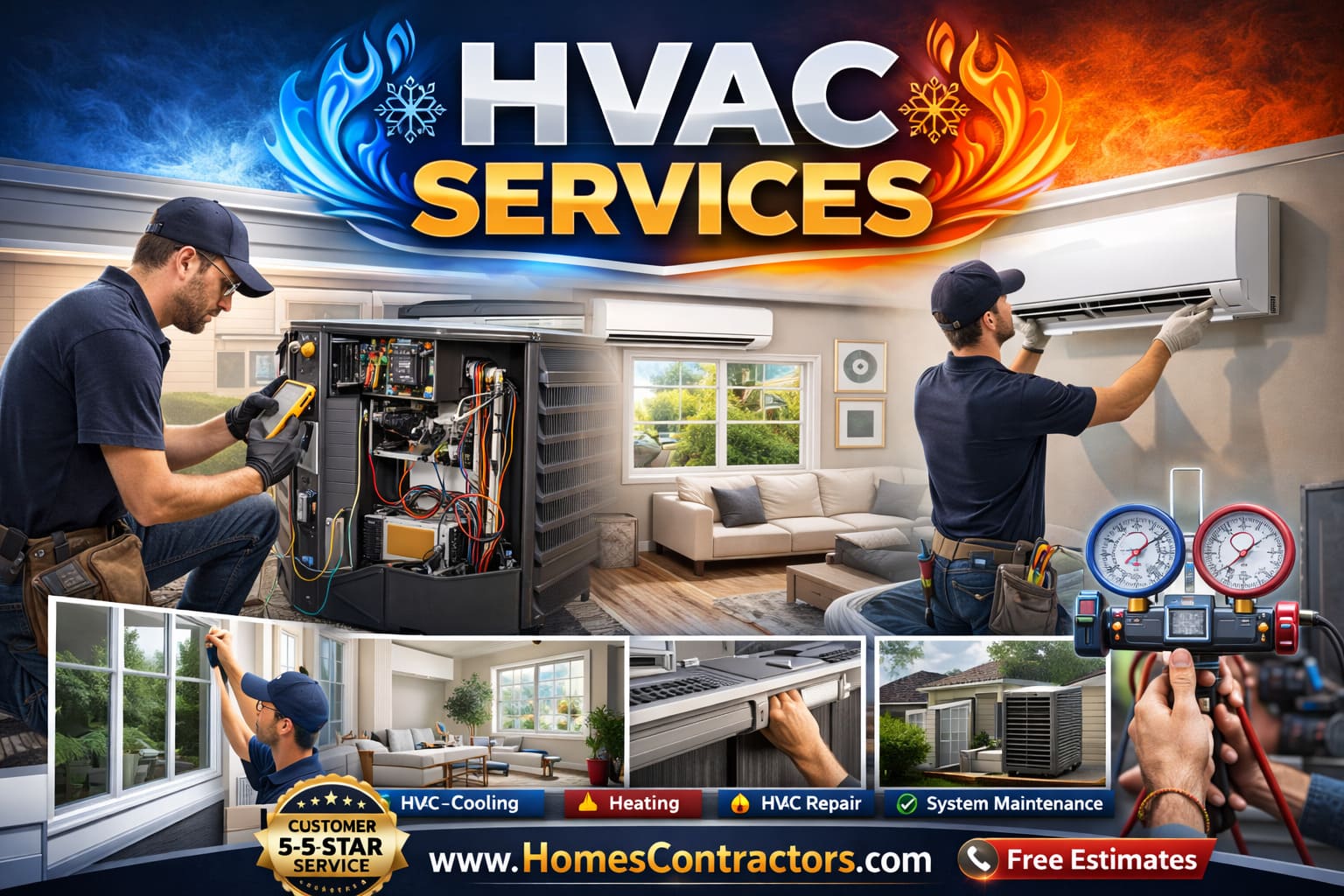
Is your furnace making strange noises in the middle of the night? AC struggling to keep up with summer heat? After 10+ years connecting homeowners with HVAC contractors, We've seen every scenario: from simple thermostat fixes to full system replacements. The key is finding a contractor who does proper load calculations, doesn't oversize equipment, and actually pulls permits. HVAC isn't just about swapping boxes it's about matching the system to your home's unique needs.
Heating Systems: Furnaces, Boilers, Heat Pumps, and More
The right heating system depends on your climate, fuel availability, and existing infrastructure. Gas furnaces are common in most of the country efficient, relatively affordable, and quick to heat. Oil furnaces are still used in the Northeast where natural gas isn't available. Boilers use hot water or steam through radiators or radiant floor heat they provide even, comfortable heat but cost more to install. Heat pumps are electric and provide both heating and cooling, making them ideal for moderate climates or all-electric homes. In cold climates, you might need a dual-fuel system with a furnace backup. Each system has different installation requirements, efficiency ratings, and maintenance needs. A good contractor will walk you through the pros and cons based on your specific situation, not just sell you whatever has the highest commission.
Air Conditioning: Central AC, Ductless Mini-Splits, and Heat Pumps
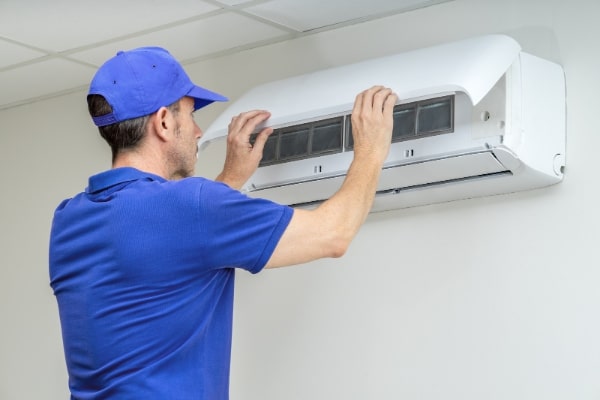
When summer hits, you need your AC to perform. Central AC systems use ductwork to distribute cool air throughout your home. They're great for whole-house cooling but require existing ducts or new duct installation. Ductless mini-splits are perfect for homes without ducts, additions, or sunrooms. They mount on walls or ceilings and provide zone-controlled cooling (and heating with heat pump models). Heat pumps act as both AC and heater, reversing the refrigeration cycle to provide warm air in winter. Efficiency is measured in SEER (Seasonal Energy Efficiency Ratio) higher numbers mean better efficiency. Federal minimums are 14-15 SEER, but high-efficiency models go up to 26 SEER. The payback period depends on your climate and utility rates. A contractor who does a proper load calculation will size the system correctly too big short-cycles and fails to dehumidify; too small runs constantly and struggles on hot days.
Heat Pumps: The All-in-One Solution (with Caveats)
Heat pumps have come a long way. Modern cold-climate heat pumps can efficiently heat down to -15°F or lower, making them viable in much of the northern US. They work by moving heat rather than generating it, so they're incredibly efficient 300-400% efficient compared to 95% for a high-end furnace. That means for every dollar of electricity, you get $3-4 worth of heat. In cooling mode, they're as efficient as standard ACs. The catch: they cost more upfront than a standard AC or furnace. But if you're replacing both systems, the combined cost can be competitive. And with federal tax credits and utility rebates, the payback period shrinks. In the South, heat pumps are the dominant choice. In the North, they're gaining popularity, often paired with a gas furnace for the coldest days (dual-fuel).
Ductwork: The Hidden System That Makes or Breaks Comfort
You can buy the most efficient furnace on the market, but if your ducts leak, you're wasting money. Many homes lose 20-30% of conditioned air through leaky ducts in attics or crawlspaces. Ductwork also needs proper sizing, insulation, and sealing. In humid climates, uninsulated ducts sweat and cause moisture problems. In cold climates, uninsulated ducts in attics lose heat. A good HVAC contractor will inspect your ducts, test for leaks (using a duct blaster), and recommend sealing or replacement if needed. For new construction or major remodels, they'll design ducts for proper airflow, with returns in every room for balanced pressure. And they'll use materials that won't off-gas or harbor mold. Ductwork is out of sight, but it should never be out of mind.
Indoor Air Quality: More Than Just Temperature Control
Your HVAC system can do more than heat and cool it can improve the air you breathe. Media filters (like 4-5 inch thick filters) capture more particulates than standard 1-inch filters and don't restrict airflow as much. Electronic air cleaners and UV lights kill bacteria and mold. Humidifiers add moisture in dry winter climates, reducing static shock and respiratory irritation. Dehumidifiers remove moisture in humid climates, making your home more comfortable at higher thermostat settings. And energy recovery ventilators (ERVs) or heat recovery ventilators (HRVs) bring in fresh air while exhausting stale air, recovering energy in the process. These upgrades are especially important for homes with allergies, asthma, or tight construction that limits natural air exchange. Your contractor can test your indoor air quality and recommend solutions.
Smart Thermostats and Zoning: Control Where It Matters
Programmable thermostats are old news. Smart thermostats learn your schedule, adjust based on occupancy, and let you control temperatures from your phone. They can save 10-15% on heating and cooling costs. But for true comfort, consider zoning. Zoning systems use multiple thermostats and motorized dampers to direct conditioned air only to occupied zones. No more fighting over thermostat settings, or heating/cooling empty bedrooms. Zoning works best with variable-speed equipment that can modulate output to match demand. It adds cost but can be worth it for larger homes or homes with temperature imbalances. Your contractor can assess whether zoning makes sense for your layout.
Average HVAC Installation Costs & Efficiency Ratings
| System Type | Average Cost (Installed) | Efficiency Range |
|---|---|---|
| Gas Furnace Replacement | $3,500 – $7,500 | 80-98% AFUE |
| Central AC Replacement | $4,000 – $8,500 | 14-26 SEER |
| Heat Pump (Air Source) | $5,000 – $10,000 | 14-22 SEER, 8-10 HSPF |
| Ductless Mini-Split (per head) | $3,000 – $6,000 | 16-30 SEER |
| Boiler Replacement | $5,000 – $10,000 | 85-95% AFUE |
| Geothermal Heat Pump | $15,000 – $30,000 | 30-40 EER, 4-5 COP |
| Ductwork Installation | $3,000 – $8,000 | N/A |
Costs vary by region, equipment brand, and installation complexity. Tax credits and rebates may apply.
Manual J Load Calculation: Why Size Matters
I can't stress this enough: bigger is not better when it comes to HVAC. An oversized system short-cycles (turns on and off frequently), which wastes energy, fails to dehumidify properly, and wears out components faster. An undersized system runs constantly and struggles to maintain setpoint on extreme days. Proper sizing requires a Manual J load calculation, which considers your home's square footage, insulation levels, window types and orientation, air leakage, number of occupants, and climate. A good contractor will do this math, not just use a rule of thumb. They'll also consider duct design (Manual D) and equipment selection (Manual S). It's more work upfront, but it ensures your system performs as designed.
Refrigerant Changes: What R-410A Phase-Down Means for You
The HVAC industry is transitioning again. R-410A (the current standard) is being phased down in favor of lower-GWP refrigerants like R-32. New systems manufactured after 2025 will use new refrigerants, and R-410A will become scarce and expensive. If your AC or heat pump is old, consider replacing it sooner rather than later. If you have a newer R-410A system, it will still be serviceable for years, but repairs will eventually become cost-prohibitive. This is similar to the R-22 phase-out a few years ago. Your contractor can advise on the best timing for replacement based on your equipment's age and condition.
Preventive Maintenance: The Key to Longevity
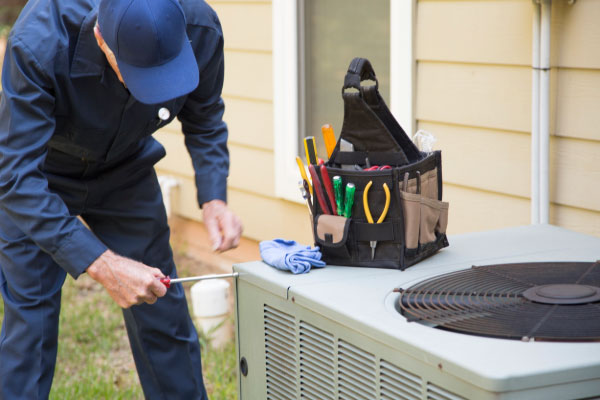
Regular maintenance is the cheapest way to extend equipment life and maintain efficiency. Annual tune-ups should include: cleaning coils, checking refrigerant charge, measuring airflow, inspecting electrical connections, lubricating motors, testing safety controls, and changing filters. Many contractors offer maintenance plans with priority service and discounts. Simple things like changing your filter every 1-3 months make a huge difference. A dirty filter restricts airflow, causing the system to work harder and potentially freezing the evaporator coil. Neglected systems fail prematurely, often during the hottest or coldest days when you need them most.
Emergency Repairs: When Your System Fails
HVAC emergencies happen at the worst times. Furnaces die during cold snaps. ACs fail during heat waves. Our network includes contractors who offer emergency service, though response times vary. If your system fails, the first step is diagnosis. Sometimes it's a simple fix like a capacitor or ignitor. Other times, it's a major component. A good contractor will explain your options: repair vs. replace, with honest pricing. Be wary of contractors who push replacement without exploring repairs. Also, ask about warranties some repairs may still be covered if your system is relatively new.
Permits, Inspections, and Code Compliance
HVAC work typically requires permits, especially for new installations or major replacements. The inspector will check: proper sizing, electrical connections, gas piping (if applicable), venting, refrigerant charge, and safety controls. Permits protect you by ensuring the work meets code and is safe. They also matter when you sell the house unpermitted work can kill a sale. Our contractors pull all necessary permits and schedule inspections. It adds a little time but provides peace of mind.
Frequently Asked Questions About HVAC Services
How often should I replace my HVAC system?
Most furnaces and ACs last 15-20 years with proper maintenance. Heat pumps typically last 10-15 years. If your system is nearing this age and repairs are becoming frequent, replacement is worth considering. Newer systems are much more efficient, so the energy savings can help offset the cost.
What SEER rating should I buy?
It depends on your climate and how long you'll stay in the home. In the South, 16-18 SEER is common. In the North, 14-16 SEER is typical. Higher SEER costs more upfront but saves energy over time. If you plan to stay 10+ years, higher efficiency often pays off. Utility rebates and tax credits can also tip the scales.
Why is my AC freezing up?
Common causes: dirty air filter (restricted airflow), low refrigerant charge, or a dirty evaporator coil. Turn off the system and let it thaw, then call a contractor. Running it while frozen can damage the compressor. A professional can diagnose the root cause.
What's the difference between a heat pump and a furnace?
A furnace burns fuel (gas, oil, propane) or uses electric resistance to generate heat. A heat pump moves heat from outside to inside (even in cold weather) using refrigerant. Heat pumps provide both heating and cooling; furnaces only heat. In cold climates, heat pumps may need backup heat.
Do I need a carbon monoxide detector with my furnace?
Absolutely. Any fuel-burning appliance (gas, oil, propane) can produce carbon monoxide if malfunctioning. CO detectors are required by code in many areas and are cheap life insurance. Place them near bedrooms and on every level of your home.
How can I improve my HVAC efficiency without replacing equipment?
Seal duct leaks, add attic insulation, install a programmable or smart thermostat, clean/replace filters regularly, and schedule annual maintenance. These steps can improve efficiency 10-30% and extend equipment life.
What's a variable-speed vs. single-stage system?
Single-stage systems run at full capacity whenever they're on. Variable-speed (or modulating) systems adjust output to match demand, running longer at lower speeds. This provides better comfort, quieter operation, better dehumidification, and higher efficiency. They cost more upfront but are worth it for comfort-focused homeowners.
We've been doing this for over 10 years matching homeowners with HVAC contractors who actually have the licenses, insurance, and experience to do the job right. No middleman markup, just a direct connection. Fill out the form or give us a call; we'll help you get comfortable again.