


About Us
For over a decade, we've connected homeowners with reliable, contractors across the country. No markups, just vetted pros.
Free ConsultationContact Info
- (877) 608-5589
- 7 days a week, 8am-7pm (all time zones)
General Remodeling Contractors – Kitchen, Basement & Whole-Home Experts

If your home feels stuck in the 90s or you're tripping over toys in a cramped basement you're not alone. After 10+ years connecting homeowners with contractors, I've seen every flavor of remodeling project. The key is finding a crew that communicates, pulls permits, and shows up. We don't do the work ourselves, but we've vetted hundreds of general contractors across the country. They're the ones with the tool belts and the licenses. Our job is to introduce you to the right one for your specific job whether that's a minor kitchen facelift or a full-gut, whole-home transformation.
What General Remodeling Actually Covers (and What It Doesn't)
We're talking about projects that change the structure, layout, or footprint of your home. Think kitchens where you knock down a wall, basements that go from storage to livable space, or adding a second story. Our network of contractors handles framing, drywall, flooring, cabinets and they coordinate with electricians, plumbers, and HVAC subs. They don't just paint and call it a day. And they definitely don't start work without pulling the right permits whether that's a simple electrical permit in Ohio or a full plan check in California. General remodeling is the heavy lifting of home improvement: it's not swapping out a faucet, it's moving the wall the faucet is attached to. It requires a general contractor who can see the big picture and manage the chaos. Over the years, I've learned that homeowners often underestimate the amount of coordination involved material deliveries, inspection scheduling, trade sequencing. A good GC earns their money by making it all look seamless.
Kitchen Remodeling: More Than Just New Countertops
Over the years, I've seen homeowners fixated on cabinet colors (and sure, that matters). But the real value comes from layout. A good contractor will ask: Does this island block the flow? Can we move that sink under a window? Is that wall load-bearing? In older homes, especially pre-1978, we deal with lead-safe practices and often find knob-and-tube wiring that needs updating. Our contractors give you the straight story not just the pretty picture. A kitchen remodel isn't just about aesthetics; it's about function. I've walked through kitchens where the homeowners spent a fortune on high-end appliances but couldn't open the dishwasher and oven at the same time. A seasoned contractor prevents those headaches. They'll talk you through the "work triangle," proper clearance for islands, and the importance of adequate lighting over work surfaces. They'll also warn you about hidden costs: once you open up walls, you might find outdated plumbing, rotten subflooring, or insufficient electrical capacity. That's not a sales tactic that's reality. The best contractors prepare you for it and have a contingency plan (and budget) ready.

Basement Finishing & Conversions – Beyond the Man Cave
Finished basements are one of the best ROIs, but only if done right. Moisture control is job one. Contractors in our network know to check for seepage, install proper insulation (not just faced batts against concrete), and huge one egress windows if you're adding a bedroom. Building codes vary: in Minnesota, egress windows are mandatory for bedrooms; in Texas, you might need a different approach to humidity. They know the local stuff. But beyond code, a basement remodel is about transforming dead space into something your family actually uses. I've seen basements turned into home theaters, gyms, wine cellars, and even rental apartments that generate monthly income. The key is planning the layout around existing mechanicals furnaces, water heaters, support columns. A smart contractor will work with those elements instead of fighting them, maybe even building them into a storage room or wet bar. They'll also address the "dungeon" feel by incorporating adequate lighting and egress wells that bring in natural light. And they'll never, ever skip the vapor barrier or use the wrong type of drywall. Those are rookie mistakes that lead to mold and callbacks.
Room Additions and ADUs – Making Space Without Moving
Adding a bedroom, a home office, or a full accessory dwelling unit (ADU) is a big step. Contractors we work with handle everything from foundation to final inspection. California homeowners know the ins and outs of ADU regulations (like no minimum lot size anymore). In other states, setback rules and septic considerations come into play. Good contractors will also talk you through the ugly phase when your yard is a mud pit and set expectations for timelines. Most additions take 3-4 months, depending on weather and material delays. An addition is essentially building a new house attached to your old one. It involves foundation work, framing, roofing, siding, and tying into your existing mechanical systems. That's not a job for a handyman. You need a contractor who understands structural loads, proper flashing techniques to prevent leaks, and how to match existing finishes so the addition doesn't look like an afterthought. With ADUs, there's an extra layer of complexity: separate utilities? Separate meters? What about fire separation between the units? A knowledgeable GC navigates all of that, and often works with your local planning department to get the project approved.
Whole-Home Remodels: When You Gut the Whole Place
Sometimes a house needs a full systems reboot. We're talking new electrical, plumbing, HVAC, drywall, windows, the works. It's like building a new house inside the old shell. Contractors who do this well are masters of sequencing you can't drywall before the rough-ins are inspected. And they know how to live with the unexpected: termite damage in the sill plate, or a cast iron drain that crumbles when touched. Over a decade, I've heard it all. The good contractors plan for the unknown and communicate clearly. A whole-home remodel is the ultimate test of a general contractor's project management skills. They're juggling multiple trades, inspections, material orders, and the homeowner's sanity. The best ones set up a realistic schedule and stick to it, but they also build in buffers for delays. They know that windows might take eight weeks to arrive, so they order them before demo even starts. They also know that living in a construction zone is stressful, so they work with you to phase the work maybe finishing the master suite first so you have a sanctuary while the rest of the house is under construction. It's a marathon, not a sprint, and experience counts for everything.
Permits, Inspections & Navigating Local Bureaucracy
Nobody loves permit fees, but skipping them is a recipe for disaster when you sell your home. Our contractors pull permits for every job that requires them and they know the local inspectors. In hurricane zones, that means showing wind mitigation details. In snow country, it's about roof truss engineering. They handle the paperwork so you don't have to chase down final approvals. I've seen too many homeowners try to save a few hundred bucks on a permit, only to have the sale of their home fall through years later because of unpermitted work. Beyond that, permits protect you. When an inspector signs off on the electrical rough-in, you know it's safe. Contractors who insist on pulling permits aren't being difficult they're being professional. They also know the local officials: the plan reviewer who wants to see energy calculations, the inspector who's strict about egress window well drains. That local knowledge speeds up the process and avoids costly re-dos. Whether it's a kitchen in Chicago or an ADU in San Diego, the rules are different, and our contractors know them.
Average Cost & Timeline (Ballpark – Ask Your Contractor)
| Project Type | Typical Cost Range (National) | Typical Timeline |
|---|---|---|
| Kitchen Remodel (mid-range) | $25,000 – $55,000 | 6-10 weeks |
| Basement Finish (700-1000 sq ft) | $18,000 – $35,000 | 4-8 weeks |
| Room Addition (12x12) | $45,000 – $80,000 | 3-5 months |
| Whole-Home Remodel (2000 sq ft) | $100,000 – $250,000+ | 4-8 months |
| ADU (detached, 1-bed) | $80,000 – $150,000 | 4-9 months |
Costs vary by region, materials, and scope. The contractors you meet will give line-item quotes.
Older Homes (Pre-1978) – Lead, Plaster, and Character
If you live in a craftsman, a colonial, or any home built before 1978, lead-safe practices are federal law. Many of our contractors are EPA certified renovators. They know how to handle plaster and lath without making a dust bomb, and they can often save original trim and moldings. I've seen beautiful renovations that keep the soul of the house while upgrading everything behind the walls. That takes a specific kind of pro and we've got them. Older homes have character, but they also have challenges: settling foundations, outdated framing, and materials you can't buy at Home Depot. A contractor who specializes in historic renovations knows how to source reclaimed materials, match existing mortar, and work with plaster instead of just ripping it out for drywall. They also understand the importance of maintaining the home's original aesthetic while making it energy-efficient and safe. It's a delicate balance, and it's not for every GC. That's why we ask about your home's age upfront and match you with someone who has the right experience.
Design-Build vs. Bid-Build: Which Approach Fits Your Project?
One question that comes up a lot: should I hire an architect first, then find a builder? Or work with a design-build firm that does both? There's no single right answer, but here's what I've observed. With design-build, you have a single team responsible for both the design and construction. That can streamline communication and often speeds up the project because the contractor is involved from the beginning, offering real-time feedback on budget and constructibility. With the traditional bid-build approach, you get a complete set of plans and then take them to multiple contractors for bids. That can work well for complex projects where you want competitive pricing, but it can also lead to finger-pointing if something in the plans isn't buildable. Many of our contractors offer design-build services, and others are happy to build from your architect's plans. We can help you find the right fit based on your project's complexity and your personal preference.
Managing the Chaos: What to Expect During Construction (and How to Survive It)
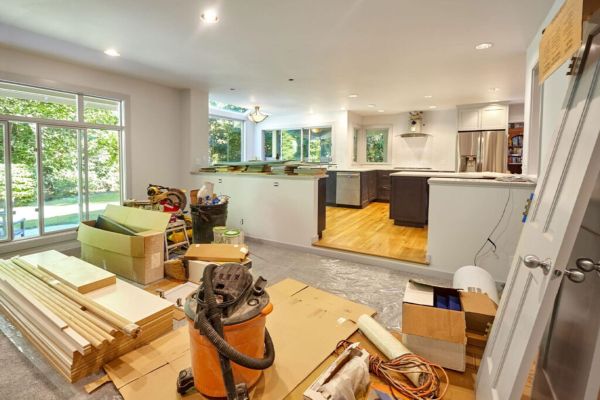
Let's be honest: construction is disruptive. There will be dust, noise, and people in your space. The best contractors minimize the chaos by setting clear ground rules: work hours, cleanup routines, and which entrances to use. They also communicate daily or weekly about what's happening next. For major remodels, I advise homeowners to create a "safe zone" a part of the house that stays clean and functional. If you're doing a whole-home remodel, seriously consider moving out for the worst of it. It's worth the cost of temporary housing to preserve your sanity. Also, expect the unexpected. That hidden rot, that back-ordered light fixture, that inspector who wants an extra ground rod. Build a 10-15% contingency into your budget, and don't panic when surprises pop up. They always do. A contractor with 10+ years of experience has seen it all and will handle it calmly.
Frequently Asked Questions About General Remodeling
Should I stay or move out during a whole-home remodel?
Depends on the scope. If you're without a kitchen for months or the dust is heavy (demo, drywall), most families choose to relocate. For phased remodels, staying might work. Your contractor can give you a realistic picture based on the project timeline and your family's tolerance for chaos. We've had clients rent an apartment for three months and call it a mini-vacation.
How do I know if a wall is load-bearing?
A contractor can tell you during a site visit. Generally, walls parallel to the joists are less likely to be load-bearing, but never assume. We've seen too many DIYers cut a beam and cause sagging. A structural engineer might be needed for complex situations, but a good GC can usually identify load-bearing walls and will involve an engineer if necessary.
What's the deal with permits – do I need them for a basement bathroom?
Almost certainly yes. Adding plumbing, electrical, or changing egress requires permits. Our contractors always pull them it protects you when you sell and ensures work is safe. Even if you think you can get away without one, it's not worth the risk. Unpermitted work can lead to fines, trouble selling, and even issues with your insurance if something goes wrong.
Can you match existing hardwood or siding?
Good contractors can get close, but matching old-growth wood or faded siding is tricky. Often we recommend replacing a section or staining the whole floor. They'll show you samples and discuss options. Sometimes it's better to embrace a slight variation as a design feature rather than chasing a perfect match that doesn't exist.
How many quotes should I get?
We usually connect you with 1-3 contractors. Talk to each, compare approaches and line items, not just bottom line price. The cheapest isn't always the best value. Pay attention to how they communicate, their proposed timeline, and the details in their quote. A slightly higher price might include better materials or more thorough scope.
What's the most common mistake homeowners make in a remodel?
Changing their mind after materials are ordered or work has started. That leads to delays, restocking fees, and frustration. The best advice: finalize your selections before demo day. Also, underestimating the disruption. Be mentally prepared for dust, noise, and decision fatigue. A good contractor helps you stay on track.
How do you handle change orders during the project?
Reputable contractors document everything. If you decide to move a light switch after the rough-in, they'll write a change order describing the additional work and cost. It protects both of you. Always get changes in writing. Verbal "while you're at it" requests often lead to misunderstandings and unexpected charges.
We've been doing this from 10+ years matching homeowners with contractors who actually have the licenses, insurance, and experience. No middleman markup, just a direct connection. Fill out the form or give us a call; we'll help you get started. And remember, a successful remodel isn't just about the final photo it's about a process that respects your home, your budget, and your sanity. Our contractors get that.