


About Us
For over a decade, we've connected homeowners with reliable, contractors across the country. No markups, just vetted pros.
Free ConsultationContact Info
- (877) 608-5589
- 7 days a week, 8am-7pm (all time zones)
Windows Installation & Repair Contractors – Energy Efficient Replacements, Custom Sizes & More
Feel that draft by your old windows? Notice the fog between the panes? You're not alone. After 10+ years connecting homeowners with window contractors, We've seen single-pane windows from the 50s that might as well be screens for all the insulation they provide. The right windows can transform your home's comfort, energy bills, and even curb appeal. But here's the thing: installation matters as much as the window itself. A cheap window installed perfectly will outperform an expensive window installed poorly. That's why we connect you with contractors who know their stuff.
Window Types: Finding the Right Style for Your Home
Not all windows are created equal, and the style you choose affects more than just looks. Double-hung windows (the classic style where both sashes move) are great for traditional homes and easy cleaning. Casement windows crank out and catch breezes perfectly, making them ideal for catching prevailing winds. Sliding windows work well where height is limited. Awning windows hinge at the top and can stay open in light rain. And bay or bow windows add interior space and architectural interest. Each style has different air infiltration rates, operating mechanisms, and maintenance needs. A good contractor will help you match the style to your home's architecture and your functional needs. We've seen homeowners put the wrong style in a historic home and regret it every time they look at the front of the house.
Frame Materials: Vinyl, Wood, Fiberglass, or Aluminum?
Here's the honest truth: there's no single "best" material. It depends on your climate, your budget, and how much maintenance you want to do. Vinyl is the most popular today low maintenance, good insulation, affordable. But it can expand and contract in extreme temperatures, and color options are limited. Wood is beautiful and traditional but requires painting or staining every few years. In humid climates, wood can rot if not maintained. Fiberglass is incredibly strong and stable, with insulation values similar to wood but almost no maintenance. It's also more expensive. Aluminum is strong and slim but conducts heat and cold, so it's less energy efficient unless it has a thermal break. In hurricane zones, impact-rated aluminum is common. Your contractor will walk you through the pros and cons based on your specific situation.
Energy Efficiency: Understanding U-Factor, SHGC, and Low-E Coatings
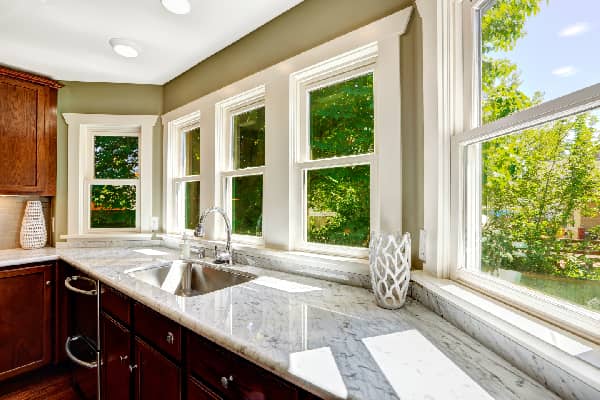
Window energy ratings can get confusing fast. Here's what matters: U-Factor measures how well the window insulates lower is better. SHGC (Solar Heat Gain Coefficient) measures how much heat from sunlight comes through lower is better in hot climates, higher can be beneficial in cold climates. Low-E coatings are microscopic metal layers that reflect heat while letting light through. Double or triple pane windows have insulating gas (usually argon) between the panes. In northern states, you want low U-Factor to keep heat in. In southern states, you want low SHGC to keep heat out. In mixed climates, you need a balance. Energy Star ratings vary by climate zone. A knowledgeable contractor will recommend windows rated for your specific region, not just whatever they have in stock.
Why Installation Quality Matters More Than the Window Itself
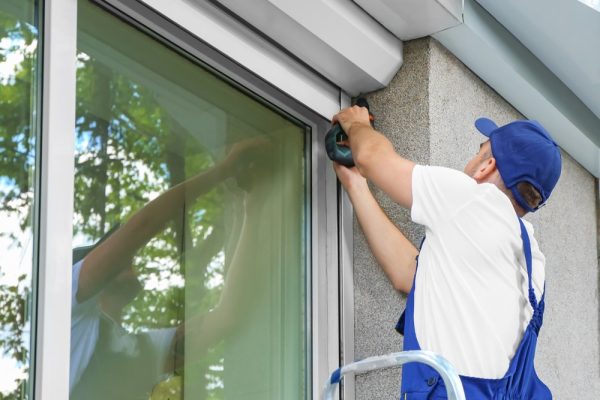
I've seen $2,000 windows perform like $200 windows because the installation was shoddy. The gap between the window frame and the rough opening must be properly insulated, air-sealed, and flashed. Flashing the exterior is critical to prevent water intrusion. If water gets behind the window, you'll get rot, mold, and eventually structural damage. A good contractor uses expanding foam (not fiberglass batts) to insulate the gap, applies flexible flashing tape to the nailing flange, and ensures the window is perfectly level and square. They'll also check for proper slope on the sill so water drains outward, not inward. These details separate the pros from the hacks. And they're not visible when the job is done, which is why you need a contractor you can trust.
Older Homes: Dealing with Non-Standard Sizes and Historic Districts
If your home was built before 1950, chances are your windows aren't standard sizes. You can't just order off-the-shelf replacements. That's where custom windows come in. A good window contractor will measure every opening individually (they're rarely exactly the same), then order custom-manufactured windows to fit. If you're in a historic district, there may be additional restrictions on materials and styles. Many older homes had wood windows with divided lites (those small panes). You can get modern windows with simulated divided lites that look authentic but perform better. And if you have weight-and-pulley windows, the contractor will need to remove the weights and insulate those pockets properly. It's more work, but the result is windows that look right and perform well.
Egress Windows: Safety, Light, and Legal Requirements
If you're finishing a basement or adding a bedroom, egress windows are non-negotiable. Building codes require bedrooms to have an emergency escape opening. That means the window must meet minimum size requirements (usually at least 5.7 square feet of opening area, with minimum width and height). It also needs a window well with a ladder or steps if the sill is below grade. Egress windows do double duty they provide natural light and a way out in case of fire. Installing them involves excavating outside, installing a window well, and sometimes adding drainage. It's a big job, but it's essential for safety and code compliance. Our contractors know the local requirements and will make sure your basement bedroom is legal and safe.
Average Window Installation Costs & Energy Savings
| Window Type | Average Cost (Installed) | Energy Savings Potential |
|---|---|---|
| Vinyl Double-Hung (standard size) | $400 – $800 per window | 10-25% on energy bills |
| Wood Double-Hung (standard size) | $600 – $1,200 per window | 10-25% on energy bills |
| Fiberglass (standard size) | $700 – $1,500 per window | 15-30% on energy bills |
| Casement Windows | $500 – $1,000 per window | 15-25% on energy bills |
| Bay or Bow Windows | $2,000 – $5,000+ | Varies by size and glazing |
| Egress Window Installation | $2,500 – $5,000 | N/A (safety required) |
Costs vary by region, brand, and installation complexity. Energy savings depend on what you're replacing.
Window Repair: When It Makes Sense to Fix Rather Than Replace
Not every window problem requires full replacement. If the glass is broken but the frame is solid, a glass company can often replace just the pane. If the seal has failed (fog between panes), sometimes the insulated glass unit can be replaced without touching the frame. If the window is hard to open, it might just need new balances or tracks. In historic homes with original wood windows, repair and restoration can be worth it to maintain character. Many contractors specialize in wood window restoration, replacing rotten sections, adding weatherstripping, and making them operate like new. It's often cheaper than replacement and keeps the original look. But if the frame is rotted or the window is single-pane with no storm, replacement usually makes more sense.
Permits and Inspections: What's Required for Window Work
Most jurisdictions require permits for window replacement, especially if you're changing the size or type of window. The inspector will check that the windows meet egress requirements (if in bedrooms) and energy code. They'll also look at the flashing and weatherproofing. Some homeowners try to skip permits to save money, but that can backfire when you sell the house and the buyer's inspector flags unpermitted work. Our contractors pull permits when required and schedule the inspections. It adds a little time but gives you peace of mind that the work is done right and legal.
Best Time of Year for Window Installation
Spring and fall are ideal for window installation moderate temperatures make caulking and sealing easier. But sometimes you need windows replaced in winter because they're leaking cold air. Good contractors can work in cold weather they'll use heated tents or work quickly to minimize heat loss. In summer, they'll work early to avoid the heat. The key is proper flashing and sealing regardless of weather. If it's raining, they'll wait or protect the opening with tarps. Water intrusion during installation can cause damage. A professional crew plans around the weather and protects your home.
Frequently Asked Questions About Window Installation & Repair
How long do new windows last?
Quality windows typically last 20-40 years. Vinyl windows may last 20-30 years, wood 30+ years with maintenance, and fiberglass 40+ years. The seal between panes is often the first thing to fail. Most windows come with warranties on the glass and components.
Will new windows really save me money on energy bills?
Yes, but the payback period varies. If you're replacing single-pane windows with double-pane Low-E windows, you could save 10-25% on heating and cooling. If you already have double-pane windows, the savings are smaller. You'll also get comfort benefits less draft, quieter home, less UV fading on furniture.
What's the difference between double-hung and single-hung windows?
Double-hung windows have two operable sashes the top can move down and the bottom can move up. Single-hung only have a movable bottom sash. Double-hung are easier to clean (you can tilt both sashes in) and offer better ventilation options. They cost slightly more than single-hung.
Can I install windows myself to save money?
You can, but window installation is tricky. Mistakes in flashing lead to leaks and rot. Improper insulation leads to drafts. If you're experienced with construction, you might pull it off. But most homeowners are better off hiring pros, especially for second-story windows or custom sizes.
What are impact windows, and do I need them?
Impact windows are reinforced to withstand hurricanes and flying debris. They're required in some coastal zones (Florida, Gulf Coast, parts of the Carolinas). They have laminated glass and impact-resistant frames. They also provide excellent security and noise reduction, but they're more expensive.
How do I clean between the panes if they fog up?
You can't if the seal has failed and there's fog between the panes, the insulated glass unit needs replacement. Some companies offer defogging services that drill holes and clean, but it's usually temporary. Replacing the IGU (insulated glass unit) is the permanent fix.
What's the best window for noise reduction?
Triple-pane windows with different glass thicknesses (laminated glass on one side) offer the best noise reduction. Air gaps between panes also help. If you live near an airport or busy road, ask contractors about STC (Sound Transmission Class) ratings.
We've been doing this for over 10 years matching homeowners with window contractors who actually have the licenses, insurance, and experience to do the job right. No middleman markup, just a direct connection. Fill out the form or give us a call; we'll help you get started on windows that will make your home more comfortable and efficient.