


About Us
For over a decade, we've connected homeowners with reliable, contractors across the country. No markups, just vetted pros.
Free ConsultationContact Info
- (877) 608-5589
- 7 days a week, 8am-7pm (all time zones)
Roofing Installation & Repair Contractors – Asphalt, Metal, Tile & Storm Damage
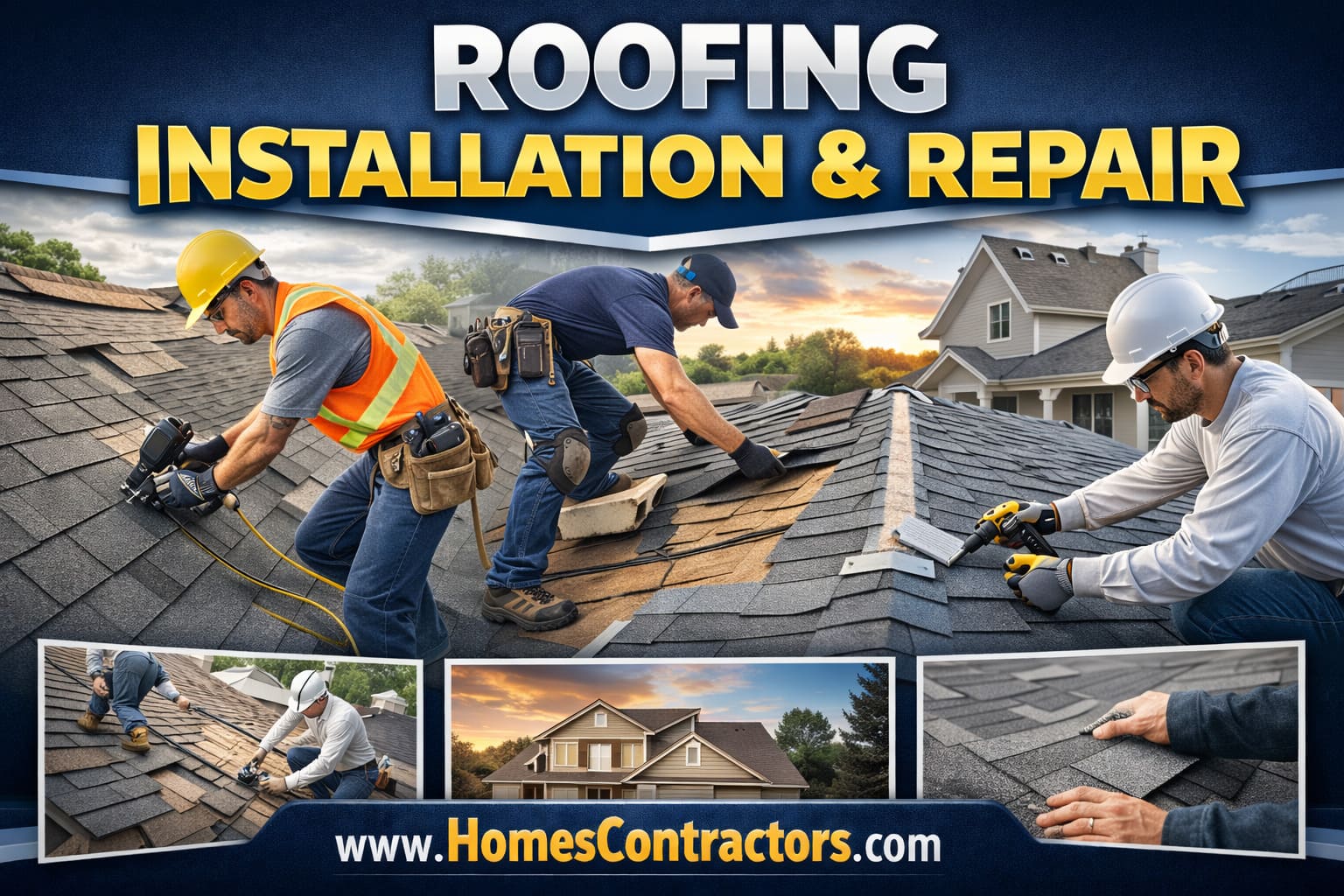
Notice shingles in your yard after a storm? See water stains on your ceiling? Your roof is your home's first defense against the elements, and when it fails, everything underneath is at risk. After 10+ years connecting homeowners with roofing contractors, We've seen it all: from minor leaks that could have been fixed cheaply to major structural damage from ignored problems. The key is finding a contractor who does the job right the first time.
Signs You Need a New Roof: Don't Wait Until It Leaks
Most homeowners don't think about their roof until there's a problem. By then, damage may already be done. Look for: shingles that are curling, cracking, or missing; granules in your gutters (that's the protective coating wearing off); daylight visible through roof boards in the attic; dark streaks or moss growth (retains moisture); and of course, water stains on ceilings or walls. If your roof is over 20-25 years old, it's likely near the end of its life. Even if it looks okay from the ground, a professional inspection can spot issues you can't see. Many contractors offer free inspections, especially after storms.
Asphalt Shingle Roofing: The Most Popular Choice for Good Reason
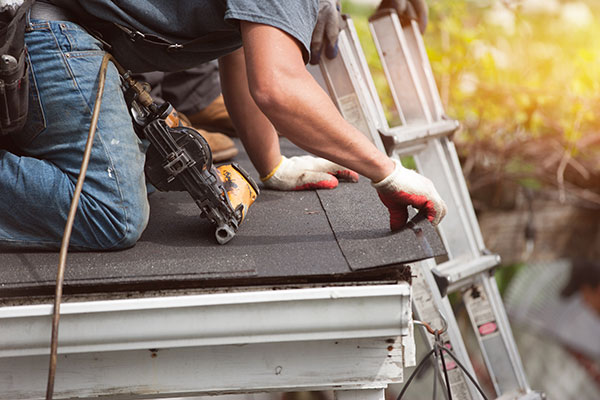
About 80% of US homes have asphalt shingles. They're affordable, come in many colors and styles, and install relatively quickly. Architectural shingles (also called dimensional or laminate) are thicker and more durable than 3-tab shingles, with longer warranties (30-50 years vs. 20-25). They also have a richer appearance that mimics the look of wood or slate. In high wind areas, look for shingles rated for 110-130 mph winds. In cold climates, proper installation of ice and water shield at the eaves is critical to prevent ice dams. A good roofing contractor will recommend the right shingle for your climate and roof pitch, not just whatever they have in stock.
Metal Roofing: Long-Lasting and Energy Efficient
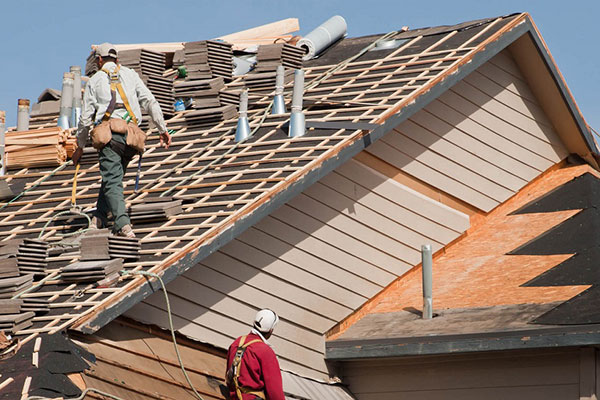
Metal roofs have come a long way. Modern standing seam metal roofs (with hidden fasteners) can last 50+ years, shed snow easily, and reflect heat to keep your home cooler in summer. They're available in many colors and profiles, from traditional corrugated to panels that mimic tile or shingles. Metal roofs cost 2-3 times more than asphalt upfront, but they last much longer and may reduce energy bills. They're also fire-resistant and can handle high winds. In snow country, metal roofs shed snow dramatically (which can be dangerous, so snow guards may be needed). In hurricane zones, they're often the best choice. If you plan to stay in your home long-term, metal is worth considering.
Tile and Slate Roofing: Premium Beauty, Premium Price
Clay tile, concrete tile, and natural slate are the royalty of roofing materials. They're incredibly durable (50-100+ years), fireproof, and beautiful. Tile is common in Spanish, Mediterranean, and Mission-style homes. Slate is traditional on historic and high-end homes. But they're heavy your roof structure may need reinforcement. They're also expensive and require specialized installers. Repairs can be tricky because matching old tile or slate is difficult. If you have a tile or slate roof, you need a contractor who specializes in these materials, not just a general roofer. In earthquake zones, tile roofs need proper attachment to prevent sliding.
Flat Roofs: TPO, EPDM, and Modified Bitumen
Flat or low-slope roofs are common on additions, garages, townhouses, and modern architecture. They require different materials than sloped roofs. TPO (thermoplastic polyolefin) is a popular single-ply membrane that's white (reflective) and heat-welded at seams. EPDM (rubber) is durable and flexible but black (absorbs heat). Modified bitumen is asphalt-based with a torch-down or self-adhering application. Flat roofs need excellent drainage (no standing water) and regular maintenance. Leaks can be hard to locate because water travels. A contractor who specializes in flat roofs is essential they understand proper flashing, slope, and membrane selection.
Storm Damage and Insurance Claims: What You Need to Know
After a hailstorm or high winds, your roof may have damage even if you don't see leaks. Many roofing contractors offer free inspections and can help you navigate the insurance claim process. Here's how it typically works: the contractor inspects, documents damage, and meets with your insurance adjuster. If the claim is approved, insurance pays for replacement minus your deductible. But beware of storm chasers contractors who show up after storms, do rushed work, and disappear. Work with local, established contractors who have a track record in your community. And never sign an Assignment of Benefits (AOB) without understanding what it means. A good contractor will explain everything and work with your insurance, not against them.
Underlayment and Ice and Water Shield: The Hidden Protectors
Shingles get all the attention, but what's underneath matters just as much. Underlayment is the water-resistant barrier between the roof deck and shingles. Standard felt paper (15 or 30 pound) works, but synthetic underlayment is stronger, lighter, and more tear-resistant. In cold climates, ice and water shield is a self-adhering membrane installed at eaves, valleys, and around penetrations. It prevents water from backing up under shingles during ice dams. In hurricane zones, code may require sealed roof decks with peel-and-stick membrane everywhere. These hidden layers are where some contractors cut corners. A quality roofer uses the right underlayment for your climate and installs it correctly.
Roof Ventilation: Why Your Roof Needs to Breathe
A properly ventilated roof lasts longer and performs better. Intake vents at the eaves (soffit vents) allow cool air in; exhaust vents at the ridge (ridge vents) or gable ends let hot air out. This airflow prevents heat and moisture buildup in the attic, which can cause shingles to deteriorate from below, ice dams in winter, and mold growth. Many homes have inadequate ventilation, especially older homes. During a roof replacement, it's the perfect time to add ridge vents or increase soffit vents. Your contractor should calculate your ventilation needs based on attic square footage and install a balanced system.
Average Roofing Costs & Material Comparison
| Material Type | Average Cost (per sq ft) | Lifespan | Best For |
|---|---|---|---|
| 3-Tab Asphalt Shingles | $3.50 – $5.50 | 15-20 years | Budget-conscious, simple roofs |
| Architectural Asphalt Shingles | $4.50 – $7.00 | 25-30 years | Most homes, good durability |
| Standing Seam Metal | $8.00 – $15.00 | 40-70 years | Long-term homeowners, energy efficiency |
| Metal Shingles/Tile | $7.00 – $12.00 | 40-50 years | Homes wanting metal benefits with traditional look |
| Clay or Concrete Tile | $10.00 – $20.00 | 50-100 years | Spanish/Mediterranean style, hot climates |
| Slate | $15.00 – $30.00+ | 75-200 years | Historic homes, premium builds |
| TPO/EPDM (Flat Roof) | $5.00 – $9.00 | 15-25 years | Flat or low-slope roofs |
Costs vary by region, roof complexity, and contractor. Get multiple itemized quotes for comparison.
What to Expect During a Roof Replacement
A typical roof replacement happens in stages. Day one: tear-off of old shingles, inspection of roof deck, replacement of any rotted wood, and installation of underlayment and ice and water shield. Day two: installation of new shingles, flashing around chimneys and vents, and ridge vents. Day three: cleanup (magnetic sweeping for nails) and final inspection. It's loud, there will be vibration, and you may feel it in your walls. Protect fragile items, cover attic belongings, and keep pets and kids away from work areas. Good contractors clean up daily, use tarps to protect landscaping, and communicate progress. After the job, they should provide manufacturer warranties and explain maintenance.
How to Hire the Right Roofing Contractor
Roofing attracts more than its share of fly-by-night operators. Look for: proper licensing (required in most states), liability insurance and workers' comp, local address and phone number (not just a cell), and verifiable references. Ask about manufacturer certifications certain contractors are certified by GAF, CertainTeed, or Owens Corning, which often means better warranties and training. Get multiple quotes and compare the scope of work, not just price. Does the quote include tear-off, underlayment, ice and water shield, new flashing, ridge vents, and cleanup? If it's vague, ask questions. A detailed quote shows a professional who knows what they're doing.
Frequently Asked Questions About Roofing Installation & Repair
How long does a roof last?
Asphalt shingles: 15-30 years depending on quality. Metal: 40-70 years. Tile and slate: 50-100+ years. Flat roofs: 15-25 years. Proper ventilation and maintenance extend life.
Can I roof over my existing shingles?
Sometimes, but it's rarely recommended. Most codes allow only one overlay, and it hides problems with the deck underneath. Tear-off gives you a chance to inspect and repair decking, install proper underlayment, and get the full warranty. It's worth the extra cost.
What's the best time of year for roof replacement?
Spring and fall are ideal moderate temperatures make shingles easier to work with. But roofs can be installed year-round. In winter, contractors work around snow and ice. In summer, they start early to avoid heat. If you have a leak, don't wait for perfect weather.
How do I file an insurance claim for roof damage?
Start with a professional inspection to document damage. Then contact your insurance company. Many contractors will meet with the adjuster and provide estimates. Keep records of all communication. If the claim is denied, you can appeal or get a second opinion.
What's a roof inspection cost?
Many contractors offer free inspections, especially after storms. For a detailed inspection with report, expect $150-$300. It's money well spent if you're unsure about your roof's condition or considering a purchase.
Do I need to replace gutters with my roof?
Not always, but it's a good time to inspect. New gutters ensure proper drainage and can match the new roof. If your gutters are old or damaged, replacing them during the roof project saves money on labor.
What's the difference between architectural and 3-tab shingles?
3-tab shingles are flat, uniform, and thinner. Architectural shingles are thicker, have dimensional texture, and come with longer warranties. Architectural look better, perform better, and are the standard today. 3-tab are rarely used except on budget builds.
We've been doing this for over 10 years matching homeowners with roofing contractors who actually have the licenses, insurance, and experience to do the job right. No middleman markup, just a direct connection. Fill out the form or give us a call; we'll help you get the roof your home deserves.